
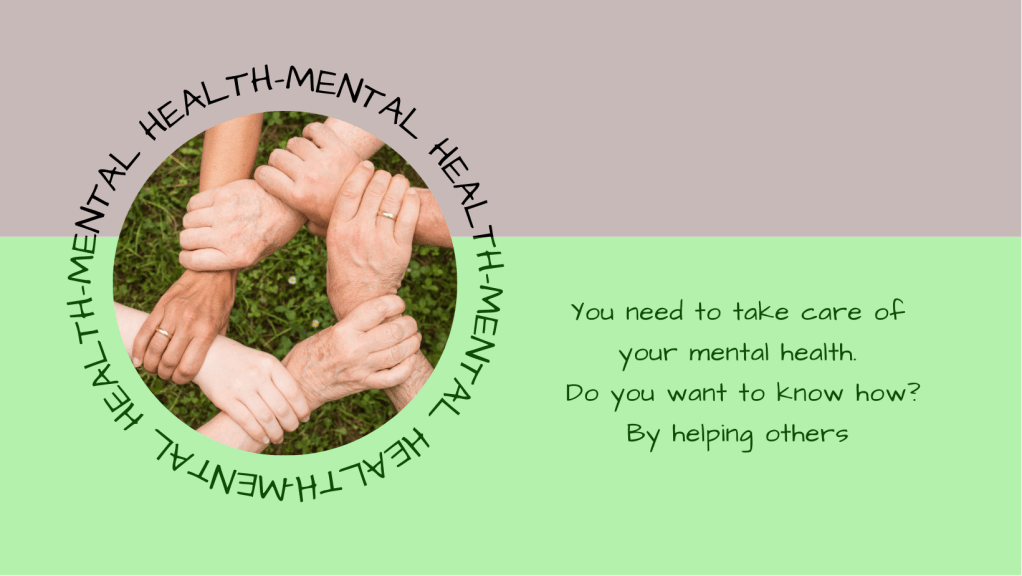
Have you ever noticed how helping others can make you feel more confident in yourself? It isn’t just a coincidence; there is science behind it! Selfless acts have been shown to improve mental health, and we’ll look at why in this article. I’ll talk about the advantages of volunteering and how small acts of kindness can have a big impact. So, if you’re feeling down, stressed, or simply looking for a way to help others, keep reading to learn about the power of selfless acts and how they can improve your overall well-being.
The Advantages of Selfless Acts
In today’s fast-paced, individualistic society, we appear to have forgotten how to help others without any hidden agenda. On the other hand, selfless acts benefit both the person receiving assistance and the person providing it. We can feel inner peace and satisfaction when we take the time to help others without ulterior motives. Helping others can also have a positive ripple effect, inspiring others to give back to their communities. It serves as a reminder that we are all interconnected and that even the smallest act of kindness can have a significant impact. So, let us not lose sight of the importance of helping without malice, and let us continue.
It is critical to remember that volunteering and selfless acts are important in our society. Individuals should strive to help others without any agenda or expectation of recompense. This not only helps those in need, but it can also strengthen relationships and foster trust among family members, friends, and our larger community. Volunteering is a selfless act that can improve the lives of others and the environment. Let us all work together to make the world a better place by donating our time and resources to those in need.
Understanding Unilateral Helping Without Reward
In today’s society, it appears that we are often hesitant to help others without ulterior motives. This is where the concept of unilateral assistance comes into play. Volunteering our time and resources without expecting anything in return can be a truly selfless act of kindness. It’s important to remember that even the smallest act of kindness can make a huge difference in someone’s life. Whether it’s donating food to a local shelter, spending time with an elderly neighbor, or mentoring a child, every act of kindness counts. We must not lose sight of the real value of selfless acts that do not involve any form of reward or payment. Indeed, this type of assistance should not be overlooked in favor of more conditional forms of assistance, such as exchanging one thing for another. The act of assisting someone without expecting anything in return is a priceless gift that we can give to others. It shows our genuine concern and empathy for others, and it fosters a sense of community and connection among humans. As a result, we should work to cultivate a mindset that values selfless acts of kindness and encourage others to do the same. After all, the true reward for helping is the sense of accomplishment that comes from making a difference.
We often become so preoccupied with our own goals and aspirations that we neglect the needs of those around us. Understanding and embracing the power of unilateral helping allows us to build a more compassionate and empathetic society that prioritizes the needs of others without regard for reward or recognition. We can create a ripple effect of kindness by practicing unilateral helping on a daily basis, which will not only benefit those around us but also bring us closer together as a community. Finally, it is up to each of us to take the first step and begin assisting others.
How to Build Selflessness Into Your Routine
To truly incorporate this into our daily lives, we must begin small. Simple acts like giving up your seat on the bus or striking up a conversation with someone you wouldn’t normally talk to can make a big difference in someone’s day. Remember that even the smallest act of kindness can make a difference in someone’s life. We can create a more compassionate and connected society by prioritizing selflessness and making it a habit. Let us all take a step back and focus solely on spreading kindness and empathy toward one another.
Selflessness appears to be a rare virtue in today’s world. We have all become so focused on personal gain and success that we have forgotten the value of helping others without any ulterior motive. It is critical to remind ourselves that selflessness should not be given in exchange for anything in return. It should be done with no strings attached and solely for the purpose of helping others, with no personal gain in mind. We should return to the origins of humanity, when helping one another was the norm rather than the exception. It is critical to understand that selflessness not only benefits others but also brings the giver happiness and contentment. As a result, we should make selflessness a part of our lives, not just as a random act of kindness, but as an essential component of our character. Let us reclaim the power of selflessness to make the world a better place to live.
Overall, we may have lost touch with our ability to help others without ulterior motives as a society. It is, however, never too late to re-learn this critical skill. It begins with acknowledging that there are always opportunities to help and that we should be open to them whenever they arise. We are not only assisting others, but we are also fostering a sense of community and kindness that will spread far and wide. Let us shift our focus away from self-interest and toward the greater good and make a concerted effort to help others without any ulterior motives. We can rediscover the joy and fulfillment that come from serving others in this way.
The Effects of Selfless Behavior on Mental Health
It’s easy to overlook the positive impact selflessness can have on mental health in a world where everyone seems to be looking out for themselves. Being selfless is a kind act that benefits both the giver and the recipient. Recent research (2019) published in The Journal of Social Psychology has shown that selfless acts can boost serotonin levels, which are responsible for mood regulation and happiness. Furthermore, by devoting our time and energy to helping others without any ulterior motive, we reduce our stress hormone levels, which can lead to a general sense of calm and well-being. However, it appears that many people have become too preoccupied with their own lives to devote the time necessary to assist others.
We must remind ourselves of the value of selflessness and strive to make it a regular part of our lives once more. A small act of kindness can make the world a better place while also improving our own mental health.
It is also worth noting that helping others without any ulterior motives is not only beneficial to the recipient but can also have profoundly positive consequences for the helper. Selfless acts can increase our feelings of happiness, meaning, and connection to our communities. It appears that by assisting others, we can access a deeper sense of purpose and fulfillment that is often unknown in our modern lives.By prioritizing altruism and kindness, we can not only have a positive impact on the world around us, but we can also enrich our own lives. Let us not underestimate the transformative power of a helping hand.
Finally, it’s clear that helping others is more than just a nice thing to do; it’s also a powerful way to improve your own mental health. Volunteering not only allows you to make a positive difference in your community, but it also provides you with a sense of purpose and fulfillment. Small acts of kindness, such as lending a listening ear or lending a helping hand, can make someone’s day and make you feel good about yourself. You can improve your overall well-being and make a difference in the world by taking the time to help others. So let us keep spreading kindness and positivity and making selfless acts a part of our daily lives.
 Empower with Marija